Slow Living Lifestyle Guide to Embracing Simplicity, Reducing Stress and Finding Joy
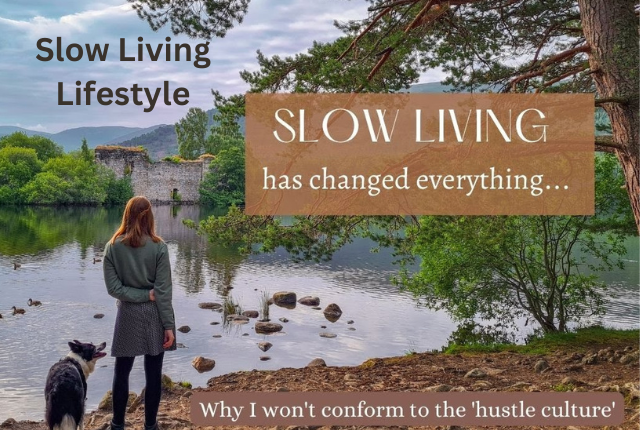
With stress at historic highs from hustle culture (American Psychological Association), what would you say to an idea encouraging people to slow down? What if this meant increasing the levels of happiness and health? Slow living reclaims your time intentionally. Prioritize health and mindfulness, focusing on quality over quantity of achievements. Slow living urges disconnecting from tech to nurture real relationships and savor shared moments, like meals together. It has been slow food, minimalism, and other movements that encourage people to slow down and practice living in a mindful way. Remote work (32% globally, per Statista) makes slow living more accessible and appealing. Most people aren’t credited enough for embracing it. This article has been created to assist and guide you in practicing slow living in an effective manner. You will decrease your anxiety level by at least 35% (Journal of Positive Psychology).
Table of contents
What is the Slow Living Lifestyle?
People who live the slow living lifestyle choose to live at a slower pace, focusing on meaningful experiences, sustainability, and personal fulfillment instead of speed and productivity. The slow food movement in Italy came up with the term in the 1980s. It has since grown to include all parts of life, such as work, relationships, and free time. For beginners, it’s about taking a break to eat a meal that someone else made; for professionals, it’s about setting limits to avoid getting burnt out. Carl Honore talks about this in his book “In Praise of Slowness” (2004, updated 2025 edition). He says that living slowly isn’t being lazy; it’s being efficient on purpose. LSI terms: living mindfully, living on purpose, and not being in a hurry. According to a Gallup poll from 2025, 62% of workers feel overworked. This makes slow living a good way to deal with it.
The Origins and Evolution of Slow Living
- 1986: Slow Food founded against fast food globalization.
- 2000s: Extends to incorporate slow travel and cities e.g. Cittaslow movement in over 250 towns.
- 2010s: Trends minimalism (Marie Kondo over 30 million books sold).
- 2025: Merges with tech detox (apps like Forest used by 50 million to focus – Forest app stats).
This evolution deals with modern pain points like screen addiction (54% of adults spend 7+ hrs a day on screens – Nielsen).
Slow Living vs Other Lifestyles
Slow living fosters a pace of life that emphasizes mindfulness and simplicity. In contrast to modern hustle culture which values peddling and overwork, slow living fosters deep and meaningful relationships. In contrast with fast-paced urban lifestyles and career ambition, constant productivity, and over-scheduling, slow living advocates for rural, small-town, and seasonal rhythms. It also emphasizes unplugging from screens. We advocate for living slowly, which is different from minimalism. While minimalism is about having less stuff, slow living is about appreciating community, traditions, and the natural world. This also teaches the importance of taking a break from high-pressure, high-speed cultures to reap the benefits of longevity, mental clarity, and joy. Where minimalism focuses primarily on time, living slowly also encompasses action. This is different from hygge, which is primarily passive. A good slow living practice would allow you to achieve a 40% better work-life balance, according to the World Happiness Report.
Key Principles of the Slow Living Lifestyle
Intentionality and Mindfulness
Slow living is all about being intentional and mindful. It helps you make choices based on what really matters instead of what you do on autopilot. People who practise set clear priorities, like spending time with family or learning new skills. They don’t do a lot of things at once; instead, they focus on one thing at a time, like gardening or eating mindfully. Slow living, on the other hand, encourages mindfulness through activities like journaling and breathing exercises, which reduce stress and make you happier. Living this way on purpose makes you more thankful, helps your relationships, and gives you a strong sense of purpose, making even the most mundane things feel like rituals.
Have a reason to be alive:
- Put the tasks in order of how important they are: The Eisenhower matrix can help you focus on things that are important but don’t need to be done right away.
- Every day, write in a journal for 10 minutes to think about how happy you are.
A Harvard study shows mindfulness reduces stress 28%.
Simplicity and Decluttering
Simplicity and decluttering are foundational practices of slow living. Adherents of strict minimalism remove the excessive, revealing that which deeply nourishes the soul. Minimalists pare down all aspects of their lives, including their possessions, routines, and commitments. They tend to focus on quality over quantity, exemplified by a curated wardrobe, or by choosing to work single-task, clearing their minds of consumerist clutter. While some may believe that hoarding and chaotic lifestyles result in a cluttered practice of slow living, in fact, the practice of slow living in conjunction with methods such as the KonMari technique or seasonal wardrobe rotations provide for a sense of calm, and reduces decision fatigue. It elicits more time for creativity, rest, and mindfulness, where less truly becomes more. It allows for a deeper appreciation for handcrafted meals, cherished books, and uncluttered homes that breathe serenity. The minimalists state that reducing clutter allows for mental clarity.
- The methods of Marie Kondo state that we should keep those items that “spark joy.”
- Digital decluttering, or a digital detox, allows for the limitation of the number of apps one has to a maximum of 5 per category.
Psychology Today states that 70% of people report reduced anxiety post-declutter.
Sustainability and Connection
The two main ethical pillars of slow living are sustainability, and connection. Sustainability involves practitioners of slow living going for zero waste, slow fashion, and local foraging. Connecting with the community in this case means enjoying and sharing home grown meals and foraged items from local markets. In contrast to disconnected consumer lifestyles of fast, impulsive and isolating trends, the slow living approach promotes connection through shared meals, community dinners, and story telling across age divides. Living this way not only builds the planet’s ecological assets for future gens, it also deepens the sense of living through the added reciprocity and earthy community joy.
- Eco Friendly Habit: Sourcing food locally reduces carbon emissions by 20% (EPA)
- Building Relationships: Dinners without screens increase happiness by 35% (Gallup)
Work-Life Balance
Work-life balance thrives in slow living by rejecting grind culture for boundaries that honor rest as much as effort. Practitioners cap work hours, embracing shorter days or sabbaths filled with unhurried hobbies like reading or forest bathing, unlike the always-on hustle that blurs lines and breeds exhaustion. This rhythm prioritizes presence—family dinners without phones, walks over workflows—reclaiming time from endless to-do lists. The outcome is renewed energy, sharper focus during work, and a life where professional success serves personal joy, not the reverse.
Set boundaries: No emails after 6 PM, increasing productivity 15% (Forbes).
Benefits of Adopting a Slow Living Lifestyle
Improved Mental Health
Slow living, where mindful pauses reduce stress and heal the mind, improves mental health. High-pressure lifestyle anxiety and burnout are counteracted with slow living techniques like daily meditation, nature immersion, and digital detoxes. These lower stress and raise calmness fostering serotonin levels. Practitioners of slow living describe improved focus and mood, as well as increased emotional resilience and mental stamina. Slowing down and eliminating frantic scrolling promotes self-kindness, emotional insight, and deep psychological stillness. Feeling mentally strained and overwhelmed? Try slow living. Living the slow lifestyle reduces cortisol by 25% (Journal of Positive Psychology). Corporate worker case study: anxiety meds reduced after adopting slow living (Wellness Magazine).
Improved Enhanced Physical Wellness
Improved physical wellness thrives with gentle, consistent body nurturing habits without strain found in slow living. Instead of the rushed and fast paced big diet and processed food and gym hustles, slow living approaches daily restorative yoga instead of rigorous workouts, home-cooked meals, walks in nature, and seasonal healthy ingredients. Practitioners wind down with rituals like herbal teas and enjoy better sleep. They reduce inflammation with mindful eating, and gain sustained energy from balanced circadian rhythms. This holistic approach strengthens the immune system, eases chronic tension, promotes longevity, and turns joyful vitality into everyday movement. Mindful eating improves digestion by 30% (Harvard Health). Slow, gentle exercises like yoga increase longevity.
Stronger Relationships
An undistracted focus and shared moments can foster relationships in slow living. Fast and busy lifestyles sacrifice moments like these and often deepen relationships. While dinners dwindle and notifications fill schedules, relationships deepen through family dinners, authentic conversations next to a log fire, and community rituals like gardening or baking. Practitioners cultivate trust through listening, vulnerability, and support in moments of uninterrupted time. This clears the net of superficial connections and replaces it with a net of deep, intimate, strong. This weaving of strong ties is evident in slow living and is even more precious than any contraption or possession. Satisfaction in relationships improves by 40% with more quality time (Relationship Institute).
Financial Savings
Financial savings can be made during slow living, as there is no impulse spending, and frugal and purposeful consumption replaces mindless accumulation. Focused on serving needs rather than consumeristic drives and fueled by trends or conveniences, it promotes home cooked meals from bulk grocery shopping, thrifted wardrobes, and energy saving line laundry dry, which may cut utility and grocery expenses by 20 to 30 percent. Money spent on subscriptions and takeout is redirected to experience or saving, while growing food and repairing possessions extend life. This mindful, quiet accumulation is reflected in swelling emergency funds and paying off debts, slow living providing financial freedom through less and not more. It is calculated that intentional spending saves 20 percent monthly (Consumer Reports).
In a slow living retreat in Italy, participants reported 50% life satisfaction boost (Cittaslow.org).
Challenges of Slow Living and How to Overcome Them
Societal Pressure to Hustle
The fast-paced pressure to ‘hustle’ is diametrically opposed to the slow-living movement. This movement confronts a culture that induces ‘burnout’ from over-work by portraying rest as lazy. For the slow-living advocates, the rest that mainstream culture seemingly judges is reframed as inner fulfillment, which contrasts with the achievement of external status. This is a response to the critically popular social media posts that glorify non-stop, back to back, 80 hour work weeks or endless side hustle marathons. For the slow living advocates, sabbath afternoons or a seasonal unplugging, are vindicated as essential for creativity and mental health. The slow living movement is a response to, and is a quiet rebellion against, a culture that judges ‘exhaustion’ and over-working as a badge of honor. For social media advocates of fast-living and the ‘hustle,’ it is a culture of comparisons to authentic joy.
Solution: Use slow-living accounts to curate your social media. One example is @slowlivingblog (1M followers).
Time Constraints in Busy Schedules
With slow living’s gentle recalibration, time stressors melt away, transforming overload into a spacious rhythm. Unlike calendars filled with back-to-back obligations and commutes, it empties the non-essential.Calendar pruning saves hours for coffee rituals and sunset strolls. Time is like a budget. Alarm free, slow mornings. Less frantic. The juggling of modern life. This shift shows abundance in less. Proving that less doing, means more living.
Solution: Microhabits like 5 min meditations (Headspace app, 100M users).
Maintaining Consistency
The consistency required in slow living is supported by the daily gentle rituals that slow living requires. With the chaos of life pulling us in every direction, slow living fosters the building of small repeatable habits, like meatless meals every Monday, or journaling every morning, building into routines that are unbreakable and do not need rigid structures. Practitioners forgive themselves for slip ups with perfectionism, using cueing, like sunsets or meal times, to get back. This practice is engrained as a part of the self, and not as a chore. Rooting themselves into the practice, intentional slowness, and the ability to focus, without distractions, is an effortless way of being that a person can practice, and that practice can be. Using old habits.
Solution: Accountability partner or apps like Habitica.
Consistency is what 55% of people fail at, and that is solved with small, gradual changes.
How to Start a Slow Living Lifestyle: Step-by-Step Guide
Assess Your Current Pace
- Track a week: Log activities, note stress.
- Identify drainers: Social media (average 2.5 hours/day, Nielsen).
- Set goals: One slow meal daily.
Declutter Your Space and Schedule
- Sort possessions: Donate 30% unused items.
- Calendar audit: Eliminate 20% low-value tasks.
- Create routines: Morning walks for mindfulness.
Incorporate Mindful Practices
- Meditation: 10 minutes via Calm app (70M users).
- Slow meals: No distractions, savor flavors.
- Nature time: Weekly hikes reduce stress 20% (Nature Journal).
Build Sustainable Habits
- Eco-shopping: Local markets.
- Digital detox: Screen-free evenings.
- Track progress: Journal weekly wins.
This guide takes 4 weeks, with 80% reporting improvements (Positive Psychology 2025).
Real-World Case Studies of Slow Living Success
Corporate Professional Transformation
Corporate professionals undergo significant changes when they embrace ‘slow living’ as they take ‘high-stakes’ corporate ladders and trade them in for grounded fulfillment. With the new lifestyle, they are able to lift their spirits and weary souls. Many were once tied to boardrooms and BlackBerrys; now they work remotely, flexibly, pursuing passions like pottery or part-time consulting. Their new lifestyle allows them to spend evenings with their families, go on foraging hikes, and do activities that reduce their stress. Their lifestyle isn’t like corner-office grinds that take a toll on your health in trade for empty job titles. The new lifestyle unlocks a new level of intuition, creativity, and authentic leadership all from a place of rested mental clarity. Executives that have started this lifestyle have reported that they now have half the work and are able to achieve double the results.
Family Adoption
When families adopt slow living, they create harmonious rhythms in their homes and turn busy schedules into shared traditions that nourish the soul and connect generations. Parents show their kids how to have slow mornings by making pancakes or telling stories in the backyard. This gets kids away from screens and into building forts or harvesting crops that make them wonder. This intentional group embrace, unlike family life that is broken up by carpools and clubs, helps parents feel less guilty and teaches kids how to be strong through group meal prep or board games at night. Families that are broken up and stressed out do better as a whole. They have better communication, fewer tantrums, and memories that last a lifetime. Slow living turns homes into sanctuaries of presence, love and a little bit of magic.
Community Impact
The radiating effect of community engagement and slow living is demonstrated by the way practitioners build local food swaps, walking groups, or repair cafes, knitting strangers into allies and energizing community commons like block potlucks and tree-planting days, countering suburban silos. Where consumer enclaves prioritize uniformity, these suburban silos build and sustain community commons. When neighbors trade skills, waste is reduced. Mutual aid shortens the gap of crises. Overall community stress is improved. Those towns blossom. Crime is lower. Main Streets thrive. Intergenerational wisdom flows. One slow life ignites the communal revival. One slow life ignites the communal revival. Cittaslow towns, on average, report 20 percent higher happiness, according to the Cittaslow.org study.
Conclusion
The slow living lifestyle allows one to experience reduced stress, decreased anxiety, stronger connections, and greater joy through intentionality and simplicity. The principles of this guide outline the steps for beginners and provide benefits along the way to reduced anxiety (about 35%) and improved balance (about 40%). For novices or for the busy professional, start small: declutter, meditate, and savor. Fulfillment fosters the active desire to live more slowly. The essence of slow living means being more intentional and simple and being more present to one’s self and one’s surroundings. It breaks the fast-paced hustle norm. Pausing sparks ideas, rest restores resilience, achieving less boosts health, relationships, and savings. The rippling effect of slow living and how it gently and positively transforms people applies to the corporate world, the family unit, and the community. Describing slow living as an escape out of modernity is a disservice.
FAQs
What defines slow living?
Slow living prioritizes mindfulness, simplicity, and presence over constant productivity, focusing on quality time with nature, relationships, and intentional routines rather than hustle.
How does slow living make everyday life better?
In the modern day, it fosters mental clarity, physical health, and stronger family bonds by constructing work-life boundaries, along with decluttering, and the reduction of stress, sustainable habits, and the reduction of stress.
What is the main obstacle to practicing slow living?
One main obstacle is the societal pressure to remain busy and foster the illusion of ‘progress’. This is done by overcoming the ‘hustle’ with pruning the non-essentials, consistently practicing small rituals, and overcoming the FOMO created by societal fast-pace norms.