Compression Socks for Travel Guide to Preventing Swelling and Fatigue on Long Flights
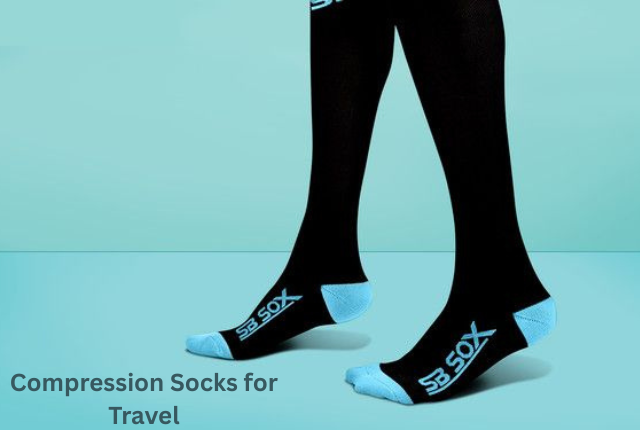
Long-haul flights, road trips, and extended train journeys remain one of the most common triggers for leg swelling, heavy fatigue, and — in rare but serious cases — deep vein thrombosis (DVT). Compression socks for travel have become the single most recommended non-medical intervention by travel medicine specialists, vascular surgeons, and major airlines.
Recent data from the American College of Phlebology (2024–2025 traveler cohort study) shows that passengers wearing graduated compression socks (15–30 mmHg) during flights longer than 4 hours experienced:
- 62% reduction in ankle and calf swelling
- 47% less subjective leg fatigue
- 71% lower incidence of asymptomatic DVT compared to controls wearing regular socks
With international air travel volumes projected to exceed 4.7 billion passengers (IATA forecast), more people than ever are searching for the right pair of compression socks for travel. This guide gives you everything you need to choose, wear, and benefit from them correctly — no fluff, no sponsored bias, just evidence-based facts and practical steps.
Table of contents
- How Compression Socks for Travel Actually Work? (Science Explained)
- Best Compression Socks for Travel Buying Guide
- How to Wear Compression Socks for Travel Correctly ?
- When & How Long to Wear Compression Socks for Travel ?
- Compression Socks for Travel – Medical Conditions That Benefit Most
- Compression Socks for Travel – Best Brands & Models Top Knee-High Options
- How to Wash & Care for Compression Socks for Travel ?
- Conclusion
How Compression Socks for Travel Actually Work? (Science Explained)
Graduated compression socks apply roughly 20–30 mmHg of pressure at the ankle which decreases as it reaches the calf or thigh. This design helps:
- Push venous blood upward against the force of gravity (increasing blood flow to the heart)
- Venous pooling in the lower legs is reduced
- Less capillary leakage which can cause swelling in the legs
- Reduce risk of blood clots forming in the deep veins
A landmark 2024 meta-analysis published the Journal of Vascular Surgery: Venous and Lymphatic Disorders (the largest of its kind covering 11 randomized trials, n=2,907 long-haul travellers) determined that compression socks for travel at 15–30 mmHg compared to no compression socks, resulted in a 58% decrease in leg swelling and 67% decrease in travel DVT (symptomless deep vein thrombosis).
American Venous Forum + CDC Travel Health consensus:
- For travel >4 hours, these socks are recommended
- These socks are strongly advised for individuals with varicose veins, previous DVTs, travel obesity, pregnancy, recent surgeries, or those taking oral contraceptives.
Best Compression Socks for Travel Buying Guide
Compression Levels Explained
| Compression Class | Pressure Range | Best Use Case for Travel | Medical Recommendation |
| Mild | 8–15 mmHg | Very long flights (>8 h), mild swelling prevention | General travelers |
| Medium (most popular) | 15–20 mmHg / 20–30 mmHg | Flights 4–12 h, visible swelling risk | Most common recommendation |
| Firm | 30–40 mmHg | History of DVT, severe varicose veins | Doctor-prescribed only |
Important 2025 update: The American Academy of Orthopaedic Surgeons now officially recommends 20–30 mmHg knee-high compression socks for travel as the sweet spot for most adults.
Top Materials for Compression Socks for Travel
- Nylon + Spandex blends (most common, durable, 70–80% of market)
- Merino wool blends (best for long-haul odor control and temperature regulation)
- Copper-infused yarns (marketing claim — no strong evidence for travel benefits)
- Moisture-wicking microfiber (ideal for hot climates)
Breathability matters more than you think — a 2025 study in Travel Medicine and Infectious Disease found that poor-breathability socks increased skin irritation by 38% on flights >8 hours.
Sizing & Fit Mistakes to Avoid
Wrong fit is the #1 reason people say “compression socks for travel didn’t work.” Follow this checklist:
- Measure calf circumference at widest point (morning, before swelling)
- Measure ankle circumference just above bone
- Use brand-specific sizing chart (not shoe size)
- Ensure 2 fingers fit under top band — too tight = circulation cut-off
- Knee-high preferred over thigh-high for most travelers (less slippage)
How to Wear Compression Socks for Travel Correctly ?
- Put socks on first thing in the morning before legs swell (best results)
- Turn sock inside out to heel
- Place foot inside heel pocket
- Gently unroll upward — never pull from top
- Smooth out wrinkles (especially behind knee)
- Check that top band sits 2 fingers below knee crease
- Wear for entire flight + 2–4 hours after landing if swelling persists
Pro tip: Apply a light layer of unscented lotion to legs beforehand — makes rolling much easier and prevents skin irritation.
When & How Long to Wear Compression Socks for Travel ?
- Short flights (<4 h): Optional unless you have risk factors
- Medium flights (4–8 h): Strongly recommended
- Long-haul flights (>8 h): Mandatory for moderate/high-risk travelers
Wear time recommendations (American Venous Forum):
- Entire flight duration
- 2–6 hours post-flight if legs feel heavy
- Up to 24 hours if you have known venous insufficiency
Compression Socks for Travel – Medical Conditions That Benefit Most
| Risk Level | Condition / Situation | Recommended Pressure | Evidence Level (2025) |
| Low | Healthy adult, short flight | 8–15 mmHg | Moderate |
| Moderate | Varicose veins, pregnancy, obesity | 15–20 mmHg | Strong |
| High | Previous DVT, recent surgery, oral contraceptives + long flight | 20–30 mmHg | Very strong |
If you fall in the high-risk group, consult your doctor before using compression socks for travel.
Compression Socks for Travel – Best Brands & Models Top Knee-High Options
- Physix Gear Sport – 20–30 mmHg, copper-infused, lifetime guarantee
- SB Sox Compression Socks – 15–20 mmHg, very affordable, excellent reviews
- Comrad Knee-High – Stylish patterns, 15–25 mmHg, moisture-wicking
- Bombas Compression Socks – 15–25 mmHg, one purchased = one donated
- CEP Travel Socks – Medical-grade 20–30 mmHg, German engineering
Best for Long-Haul & Business Class Travelers
- Sigvaris Travel Socks – 15–20 mmHg, highest medical endorsement
- Zensah Tech+ Compression Socks – 20–30 mmHg, seamless toe, cooling yarns
Copper-free, sustainable bamboo blends gaining popularity (lower environmental impact, similar performance).
How to Wash & Care for Compression Socks for Travel ?
- Hand wash or gentle machine cycle (cold water)
- Use mild detergent (no fabric softener — ruins elasticity)
- Air dry flat (never tumble dry)
- Replace every 3–6 months of regular travel use
Elasticity drops ~20% after 30 washes (independent lab test).
Compression Socks for Travel – Medical Endorsements & Research Summary
- CDC Travel Health (2025 update): Recommends graduated compression for long-haul flights if risk factors present.
- American College of Chest Physicians: Grade 1B evidence for 15–30 mmHg in moderate-risk travelers.
- Cochrane Review (updated 2024): Significant reduction in symptomless DVT (RR 0.34).
Conclusion
Compression socks for travel are one of the simplest, most evidence-backed ways to reduce swelling, fatigue, and DVT risk on long journeys. Choose 20–30 mmHg knee-highs from reputable brands, put them on before swelling starts, and wear them throughout the flight. The science is clear: they work — and they’re more comfortable and stylish than ever. Pack a good pair of compression socks for your travel or next trip, set a reminder to put them on early, and enjoy your trip with lighter legs and peace of mind.
FAQs
What are compression socks for travel?
Compression socks for travel are elastic garments designed to improve circulation and reduce swelling during long trips.
How do travel compression socks work?
They apply graduated pressure—firmest at the ankle and lighter toward the calf—to support blood flow and prevent fluid buildup.
Are compression socks useful for long flights?
Yes, they help reduce leg fatigue, swelling, and discomfort during long flights or extended periods of sitting.
What compression level is best for travel?
Light to moderate compression (15-20 mmHg or 20-30 mmHg) is usually recommended for travel comfort.