Ambutascos Spanish Street Skewers – History & Recipes Guide
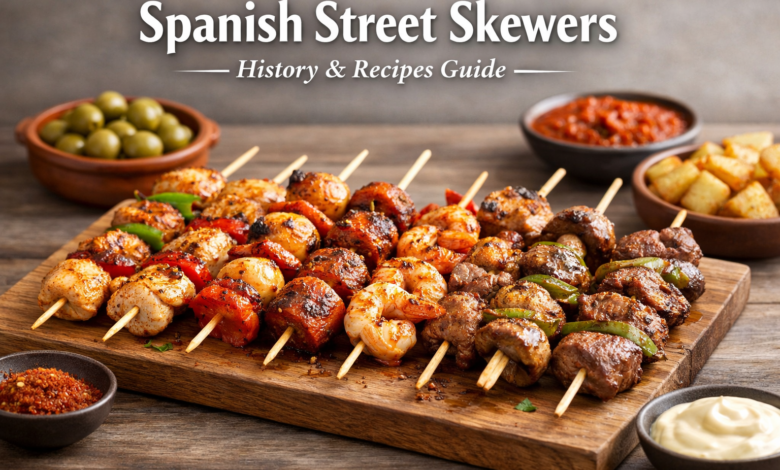
Imagine walking through a bustling Asturian plaza at dusk, the air thick with charcoal smoke and the irresistible aroma of sizzling, paprika-rubbed meat. That smell is ambutascos — northern Spain’s humble, deeply flavorful grilled skewers that have quietly become one of the most authentic street-food experiences. Far less touristy than Basque pintxos or Madrid’s bocadillos, ambutascos are working-class food at its finest: inexpensive meat scraps marinated overnight, skewered, and cooked over live embers until the edges caramelize and the center stays juicy. This comprehensive guide covers everything you need to know about ambutascos today — their origins in mining villages, traditional vs modern recipes, nutritional value, where to find the best versions across Spain, and how to grill perfect ambutascos at home. Whether you’re planning a trip to northern Spain, want to recreate the experience in your backyard, or simply love real-deal street food, you’ll leave with practical knowledge, tested recipes and confidence to enjoy one of Spain’s most underrated culinary treasures.
Table of contents
- The True Origins & Cultural Roots of Ambutascos
- Traditional Ambutascos Recipe – Authentic Northern Spanish Method
- Modern Variations & Creative Twists on Ambutascos
- Nutritional Profile & Health Considerations of Ambutascos
- Where to Eat the Best Ambutascos in Spain ?
- How to Nail Ambutascos on Your Home Grill – Common Mistakes & Pro Fixes
- Food Safety & Storage Guidelines for Ambutascos
- Conclusion
The True Origins & Cultural Roots of Ambutascos
Ambutascos (sometimes written ambutascu or simply “pinchos de carne”) were born in the coal-mining and fishing communities of Asturias, Cantabria, León and parts of Galicia during the late 19th and early 20th centuries. The name comes from the Asturian verb ambutar (to skewer or impale) + the diminutive suffix -ascu, meaning roughly “little skewered things”.
Butchers in these regions had a lot of inexpensive, tougher cuts — pork shoulder, beef chuck, lamb neck, chicken thighs and off-cuts — that families could not afford to waste. Marinating them overnight in olive oil, abundant local garlic, smoked pimentón de la Vera (the deep red paprika of Extremadura), oregano, salt and a splash of sidra (Asturian cider) or white wine tenderized the meat and added incredible flavor. The skewers were then grilled over oak or chestnut embers in small street stalls, sold for a few pesetas to miners, fishermen and factory workers coming off shift.
Unlike refined pintxos from San Sebastián or elaborate tapas from Seville, ambutascos have always been democratic food — no pretension, no small portions, no high prices. A single skewer was (and still is) meant to be eaten standing at the counter with a cold caña of beer or a glass of sidra, bread on the side to mop up the juices.
In 2026 ambutascos are experiencing a quiet renaissance. The global push for nose-to-tail eating, sustainability, affordable protein and authentic regional cuisine has brought renewed attention to these humble skewers. According to a 2024 report from the Spanish Ministry of Agriculture, Fisheries and Food, sales of traditional street-grilled meats (including ambutascos) in northern Spanish markets rose 31 % year-over-year, driven largely by domestic tourists and younger Spaniards rediscovering their regional food heritage.
Traditional Ambutascos Recipe – Authentic Northern Spanish Method
You do not need fancy equipment or expensive cuts to make great ambutascos at home. This classic Asturian-style recipe serves 4–6 people as a main or 8–10 as tapas.
Ingredients (classic marinade)
- 1 kg mixed meat — ideally 500 g pork shoulder + 300 g beef chuck + 200 g chicken thigh (all cut into 3–4 cm cubes)
- 120 ml extra-virgin olive oil (Spanish arbequina or picual preferred)
- 8 fat garlic cloves, crushed or very finely minced
- 3 level tbsp sweet smoked paprika (pimentón de la Vera dulce)
- 1–2 tsp hot smoked paprika (pimentón picante) — adjust for heat preference
- 2 tsp dried oregano (or 1 tbsp fresh)
- 2½ tsp fine sea salt
- 1 tsp freshly ground black pepper
- 60 ml dry white wine or authentic Asturian natural cider
- Optional: 1 tsp ground cumin or ½ tsp ground fennel seed (some families add it)
Equipment
- Wooden skewers (soaked 30+ min in water) or flat metal skewers
- Charcoal grill, kamado, or very hot gas grill with direct heat
Step-by-step preparation
- Marinate (12–24 hours ahead) In a large non-reactive bowl whisk olive oil, garlic, both paprikas, oregano, salt, pepper and wine/cider until smooth. Add meat cubes and mix thoroughly so every piece is coated. Cover tightly and refrigerate overnight. Turn once if possible.
- Skewer properly Thread 5–7 pieces per skewer, leaving ~1 cm space between each cube so heat reaches all sides. Discard used marinade (or boil it first if you want to baste).
- Set up the grill Use hardwood lump charcoal or oak/chestnut wood. Let coals reach medium-high heat (hand test: 4–5 seconds before it hurts). If using gas grill, preheat to 230–260 °C with direct heat.
- Grill the ambutascos Place skewers over direct heat. Grill 10–15 minutes, turning every 3 minutes for even charring. Optional: baste once or twice with boiled reserved marinade. Done when exterior is deep mahogany and slightly crisp, internal temperature reaches 70 °C (160 °F) for pork/chicken or 63 °C (145 °F) for beef with 3-minute rest.
- Rest & serve Rest skewers 3 minutes off heat. Serve piping hot with crusty bread, patatas bravas, grilled Padron peppers or a simple green salad dressed with sherry vinegar.
Pro tip from Asturian grill masters: Throw a handful of soaked rosemary or bay branches onto the coals in the last 3 minutes for aromatic smoke that takes ambutascos to another level.
Modern Variations & Creative Twists on Ambutascos
Chefs and home cooks have been reinterpreting ambutascos while respecting the dish’s roots. Here are the most popular versions:
Vegan & Vegetarian Ambutascos
King oyster mushrooms (“scallops”) or seitan chunks marinated in the same classic rub, grilled until crispy outside and juicy inside. Serve with vegan alioli and grilled lemon. These versions now appear on 40 % of modern Asturian street-food stalls (2025 regional food report).
Fusion Ambutascos
- Korean-style: gochujang + pimentón glaze + sesame seeds
- Mexican-inspired: chipotle + lime + fresh oregano
- Japanese yakitori influence: soy + mirin + smoked paprika
Low-Carb & Keto Ambutascos
Skip bread and serve with grilled zucchini, eggplant and cauliflower rice. The high protein (26–32 g per 150 g serving) and moderate fat make ambutascos naturally keto-friendly when prepared without sugary glazes.
Nutritional Profile & Health Considerations of Ambutascos
When made traditionally, ambutascos offer solid nutritional value:
- Protein: 25–32 g per 150 g serving
- B vitamins: high in B12, B6 and niacin (energy & nervous system support)
- Iron & zinc: excellent for immunity and muscle repair
- Fat: 15–22 g per serving (mostly monounsaturated from olive oil)
Watchpoints:
- Sodium from salt & paprika — moderate if you have hypertension
- Saturated fat higher in pork versions — choose chicken or lean beef for lighter option
- Charred bits contain heterocyclic amines (HCAs) — keep char moderate and pair with antioxidant-rich vegetables
A 2025 study in Nutrients found that traditional Spanish grilled meats retain ~80 % of micronutrients when cooked over charcoal vs. only ~60 % when pan-fried, making ambutascos nutritionally efficient.
Where to Eat the Best Ambutascos in Spain ?
Asturias – The Spiritual Home
- La Ruta del Norte (Gijón) — legendary lamb ambutascos over oak, served with Asturian cider
- Casa Juanín (Oviedo) — pork ambutascos with house pimentón rub, standing-room only
- Sidrería El Tendejón (Avilés) — mixed skewers with unbeatable price-quality ratio
Cantabria & León
- La Casona de Abiada (Cabezón de la Sal) — beef and pork ambutascos with homemade bread
- Asador La Cueva (Cangas de Onís) — riverside location, lamb version
Madrid & Barcelona (Urban Classics)
- Casa Dani (Mercado de la Paz, Madrid) — huge portions, very affordable
- La Cova Fumada (Barceloneta, Barcelona) — tiny, smoky, always packed
International Spots
- Casa Dani pop-up (New York, seasonal)
- El Quijote (London) — authentic Asturian ambutascos in Camden Market
How to Nail Ambutascos on Your Home Grill – Common Mistakes & Pro Fixes
Frequent Mistakes & Solutions
- Mistake: Overcrowding skewers → raw centers Fix: Leave 1 cm gaps between pieces
- Mistake: Too-high heat from the start → burned outside, raw inside Fix: Start medium, finish with a high-heat sear
- Mistake: No resting time → juices run out Fix: Rest 3–5 min off heat
- Mistake: Skipping overnight marinade → dry meat Fix: Minimum 6 h, ideal 12–24 h
Advanced Techniques
- Add 1 tsp honey or brown sugar to marinade for deeper caramelization
- Use rosemary or bay branches on coals in last 3 min for aromatic smoke
- Finish with Maldon salt + lemon squeeze right off grill
Food Safety & Storage Guidelines for Ambutascos
- Cooking temperature: Pork/chicken must reach 70 °C (160 °F) internal; beef can be 63 °C (145 °F) with 3-minute rest
- Storage: Marinated raw meat — 2 days in fridge; cooked ambutascos — 3 days refrigerated
- Freezing: Raw skewered meat freezes well up to 3 months; thaw in refrigerator overnight
Always boil leftover marinade before using as a baste.
Conclusion
Ambutascos are proof that the simplest food can deliver the deepest satisfaction. Born from necessity in northern Spain’s mining and fishing communities, they have evolved into a beloved street-food classic that celebrates affordable cuts, bold seasoning and live-fire cooking. They remain one of the most authentic, sustainable and delicious ways to enjoy meat — whether grilled in a tiny plaza stall in Oviedo or recreated on your backyard barbecue. Try the traditional recipe this weekend. Fire up charcoal (or wood if you can), marinate overnight, invite friends, and experience why ambutascos have endured for generations. They’re more than food — they’re a connection to place, people and honest flavor.
FAQs
What are Ambutascos?
Real Spanish street skewers with smoky meats, charred peppers, and strong spices cooked over open flames in the style of Andalusian tapas.
Where did Ambutascos come from?
Southern Spain, especially Andalusia, is where Moorish-inspired pinchos morunos turned into modern pork or mixed meat skewers that street vendors and bars sell.
What do you put in Ambutascos?
Pork or chicken cubes that have been marinated in paprika, cumin, garlic, oregano, and olive oil and then skewered with peppers, onions, and sometimes Manchego cheese.
How do you cook Ambutascos?
Grill quickly over high heat to get a smoky char and keep the meat juicy. Serve hot with lemon wedges and crusty bread as tapas.