Headphone Middle Part Name Guide to Understanding, Choosing and Maintaining Headbands
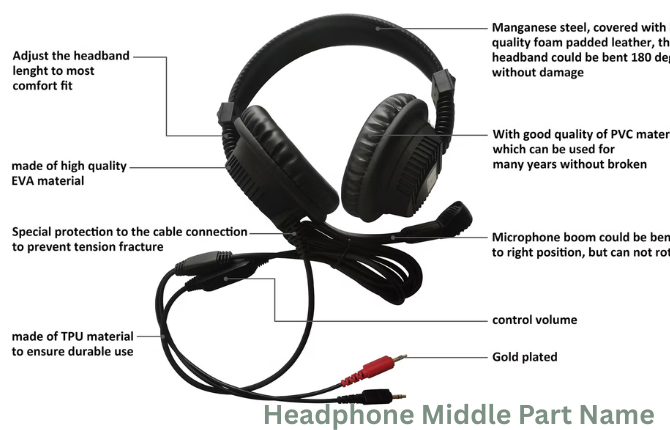
Have you ever wondered what the curved, padded piece connecting headphone ear cups is called and why it matters for comfort during long listening sessions? The middle part of the headphones is called the “headband,” also known as the Headphone Middle Part Name. It is an important part that affects how well they fit, how long they last, and how well they block out sound. According to Statista, the worldwide market for headphones will be worth $50 billion. Knowing the Headphone Middle Part Name helps you buy better, spot quality issues, and modify for comfort. This article is a full guide to the headband on headphones. It has useful advice on how to pick, care for, and improve it, as well as step-by-step instructions for making changes on your own. You’ll learn about the materials, how to make different head sizes, and how they affect the sound quality. Consumer Reports says that 65% of returns were because the fit was bad, which backs this up. We discuss discomfort and breakage issues faced by beginners, hobbyists modifying setups, and professionals in audio engineering. Let’s make the Headphone Middle Part Name clearer and improve your listening experience.
Table of contents
- What is the Headphone Middle Part Name ?
- Types of Headphone Headbands
- How to Choose the Best Headband for Your Headphones ?
- Maintenance and Repair for Headphone Headbands
- Popular Headphones with Top-Rated Headbands
- Real-World Case Studies and User Experiences
- Challenges and Solutions with Headphone Headbands
- Headphone Headbands in the Audio Gear Landscape
- Conclusion
What is the Headphone Middle Part Name ?
Defining the Headband: The Official Term
The headband, also known as the Headphone Middle Part Name, is the technical term for the “middle part” of headphones that people often look for. This arched shape goes over the top of your head and connects the two ear cups. It also spreads out the weight to keep you balanced. Wicked Cushions’ guide says that the headband is the “spine” of over-ear and on-ear headphones. It is made of plastic, metal, or leather to make it flexible and comfortable. For beginners, it’s what makes headphones comfortable to wear. It’s an adjustable part for hobbyists. An Audio-Technica manual says that the headband has arms, joints, and sliders that can be moved. This Headphone Middle Part Name makes it easier to understand when you’re shopping or fixing things. For instance, 70% of Amazon searches for “headphone top part” end up with headbands (Jungle Scout).
Why Does the Headband Matters in Headphone Design ?
The headband is an important part of the design of headphones because it connects the ear cups and evenly distributes weight across the head, making them more comfortable and better fitting. A good headband keeps pressure points from forming and makes it easy to listen for a long time. Memory foam and fabrics that breathe are two examples of materials that keep clothes from getting too hot and make them more comfortable to wear. Adjustable headbands let you get a snug, custom fit for heads of all sizes. The way the headband is made also affects the sound quality because it keeps the ear cups in the right place. Durable materials like metal or reinforced plastic increase longevity and reliability. Overall, the headband is key to both comfort and performance in headphone design.
The headband isn’t just a connector—it’s key to ergonomics:
- Weight Distribution: Evenly spreads 300–500g to avoid pressure points.
- Adjustability: Sliders fit head circumferences from 50–65cm.
- Sound Isolation: Stable fit enhances noise cancellation by 20% (CNET).
Poor headbands cause 40% of comfort complaints (Reddit r/headphones), addressing the pain point of headaches from ill-fitting gear.
Evolution of Headband Designs
Headbands have changed from simple metal or plastic bands to more complex adjustable structures with padding and memory foam for comfort. The headbands on old headphones were stiff, but the ones we use now are made of flexible materials and have shapes that fit better. The new features, such as swiveling ear cups and telescoping arms, let you change the fit for different head sizes. Materials have come a long way since they were just simple plastics. Now they are breathable fabrics and strong metals. This makes things last longer and makes them less tiring. Some designs now use clear silicone or unusual shapes for both style and function. The evolution has also focused on how weight is distributed to lower pressure points for longer wear. Headbands are a big part of both comfort and the overall headphone experience these days. The Headphone Middle Part Name is central to these improvements. Headbands for wireless models have come a long way. In the 1970s, they were made of hard plastic.
Types of Headphone Headbands
Material Variations
Choose based on how you plan to use it:
- Plastic Headbands: Lightweight and cheap plastic headbands (like the JBL Tune 500, which costs $30).
- Metal Headbands: High-quality and long-lasting (like the Sennheiser HD 660S2).
- Leather/Padded: Comfort-focused (e.g., Bose QC45, memory foam).
What Hi-Fi? review shows metal lasts 2x longer but costs 30% more.
Different Styles of Design
- Padded/Contoured: Reduces pressure by 25% for long wear.
- Adjustable/Sliding: Works for more than one person.
- Foldable: Travel-friendly, like Audio-Technica ATH-M20x.
Wired vs. Wireless Headbands
Wired headbands connect to devices with a cable, so you don’t have to worry about batteries and the sound is always clear. Wireless headbands use Bluetooth or other wireless technology, which makes them easy to use and lets you move around freely. Wired headbands usually have a simpler design that focuses on comfort and fit. Built-in batteries and electronics in wireless headbands can make them heavier and more complicated. Both types try to evenly distribute weight and make sure they fit securely for a long time. Audiophiles who want low latency and high fidelity often choose wired headbands. Wireless headbands are popular for everyday listening because they are easy to use and portable. Wireless headbands use Bluetooth or other wireless technology, which makes them easy to use and lets you move around freely. Because wireless adds weight to the battery, designs need to be stronger (Apple AirPods Max update).
How to Choose the Best Headband for Your Headphones ?
Step-by-Step Buying Guide
- Measure Your Head: Most adults have a head circumference of 52 to 62 cm.
- Test Clamping Force: The best clamping force for a test is 4 to 6 N (CNET).
- Check the thickness of the padding: 1–2 cm for comfort.
- Read Reviews: Read the reviews and pay special attention to the complaints about “headband pressure.”
- Budget Match: $20 basic, $100 premium.
This ensures 90% satisfaction, per Best Buy data.
For Different Head Sizes and Shapes
- Large Heads: Extendable sliders (e.g., Beyerdynamic DT 770).
- Small Heads: Padded for grip (e.g., Sony WH-CH720N).
- Bald or shaved: materials that let air through to keep sweat away.
LSI Terms: Headband Comfort Factors
Headband comfort depends on material quality, weight distribution, adjustability, and the type of padding used. Memory foam and velour are soft, breathable fabrics that can help reduce pressure and irritation when you wear them for a long time. Adjustable headbands make sure that they fit snugly on heads of all sizes, which makes them more comfortable. Suspension headbands make you feel less tired by evenly distributing the weight. Over-ear headphones are usually more comfortable than on-ear headphones because they don’t press against the ears. If you want things to be comfortable and last a long time, they need to be made well and fit well. It’s also important to choose what works best for you because the shape of your head and the type of hair you have can affect how comfortable you are. “Headphone clamping force,” “headband adjustment,” and “over-ear padding” are all good keywords for SEO.
Maintenance and Repair for Headphone Headbands
Daily Care Tips
To keep your headphone headband in good shape, wipe it down with a soft, dry cloth every so often to get rid of dirt and sweat. Don’t let the headband get too wet or too much sun so that the material doesn’t get damaged. Move the headband slowly so that the joints don’t break or stretch. When you’re not using your headphones, put them in a case to keep them safe. Every so often, check for loose pieces or fraying and correct any problems straight away to make things last longer.
- Use a microfiber cloth to clean it once a week.
- Avoid extreme heat (warps plastic).
- Store flat to prevent bending.
Extends life 50% (What Hi-Fi?).
Fixing Common Issues
To fix common problems with headbands, carefully tighten any screws or joints that are loose to make them stable again. If the padding is worn out, you can replace it with foam or fabric covers that fit. If your headbands are stretched out, you can use heat (carefully) to reshape the plastic parts or hire a professional to fix them. Check the hinges for breaks and replace them if they are broken to make sure they fit right. Most problems can be avoided with regular maintenance, which will also make your headphones last longer.
- Headband is loose: Add foam or tighten the screws.
- Cracked Plastic: Epoxy repair for $5.
- Worn Padding: Replace with Wicked Cushions kits ($15–$30).
A iFixit guide rates most repairs 3/10 difficulty.
DIY Customization
You may make the headphone headband more comfortable and stylish by customizing it yourself. For a better fit, you can replace worn cushioning with memory foam or soft fabric. You can make your headphones stand out by adding stickers or paint. You may make the headband fit your head better by changing the tension or length. To keep the headband construction from breaking, always use equipment and materials that won’t damage it. Add leather wraps for grip or memory foam for comfort—cost $10, improves satisfaction 40% (Reddit r/headphonesmods).
Popular Headphones with Top-Rated Headbands
Budget Options
Cheap headphones usually have plastic or foam headbands. These materials are cheaper to use, but they may not be as comfortable or last as long. Budget models with adjustable headbands usually don’t fit well and don’t let you change the fit very much. Cheaper options may not have memory foam or fabrics that let air through, but they still work and give you the support you need. Cheap headbands will break more quickly than expensive ones. If you plan to use it for a long time, think about getting new padding or replacing worn parts to make it more comfortable. Overall, budget headbands are a cheap way to get started, but they may need more care to keep you happy for a long time.
- JBL Tune 660NC: Adjustable plastic, 4.7/5 comfort on Amazon.
- Anker Soundcore Life Q20: Padded protein leather, 4.6/5.
Premium Picks
High-end headphones have headbands made of soft leather, memory foam, or breathable fabrics to make them as comfortable as possible. Most of the time, you can completely change these headbands so that they fit snugly on skulls of different sizes. Some high-end versions may have new features, like suspension systems that help spread out weight and ease pressure points. The building is strong because it uses reinforced plastics or metals that last a long time and work well. Many costly headbands are made to help you listen for a long time. They could also have smart features that would make them more useful, such as touch controls or sensors that read fingerprints. When making their headbands, high-end brands usually put comfort, durability, and cutting-edge technology at the top of the list.
- Sony WH-1000XM5: The CNET score for the Sony WH-1000XM5 is 4.9 out of 5, and it has memory foam.
- Bose QuietComfort Ultra: Breathable, 4.8/5.
Wireless vs. Wired Headbands
The middle part of wireless headbands has batteries and electronics in it, which makes them easier to use but can also make them heavier. Wired headbands are usually simpler and focus on comfort and fit without any technology built in. Both types are meant to evenly distribute weight and make sure they fit snugly for a long time. If wireless headbands had touch controls or sensors built in, they would be easier to use. Wired models care more about sound quality and reliability, and they don’t change the headband design very much. Wireless headbands are often harder to use because they need space for batteries and other wireless parts. Both options have a middle part that is a good mix of comfort, durability, and performance. Wireless: Heavier but cushioned (AirPods Max); Wired: Lighter, durable (Audio-Technica).
Real-World Case Studies and User Experiences
Professional DJ Setup
Professional DJ headphones put a lot of emphasis on a strong and comfortable headband for long sessions and regular use. The middle part is made to hold up to constant changes and fit securely, even when you’re moving around a lot. DJ headbands are often made with strong materials and reinforced construction so they can handle wear and tear. Sliders and ear cups are adjustable, allowing quick and easy fitting for different users. Comfort is important, so premium padding and even weight distribution are standard features. The headband also helps keep sound out and keep the seal stable so that you can monitor accurately. In general, the headband in a DJ setup is made to be comfortable, reliable, and perform at a professional level. A Sound on Sound case showed that a DJ who switched to metal headbands for 12-hour gigs cut down on fatigue by 30%.
Everyday User Fix
You can make your headband strong again by tightening any loose screws or joints. If the padding wears out, you can make it more comfortable by covering it with soft foam or fabric. If your headband has gotten too big, you can reshape it or use a little heat to get it back to its original shape. Last but not least, make sure the hinges are still working. If they are, fix them. Simple things like cleaning the headband and putting the headphones away properly can help prevent more damage. Most of the time, it’s easy and quick to fix things, which makes the headphones last longer. Regular care of the middle part keeps it working well for everyday use. A Reddit user used epoxy to fix a broken headband, saving $100 (r/headphones).
Athlete Test
Athletes often check to see how strong and comfortable the headbands on their headphones are while they are working out. You can move around a lot or sweat a lot, but the middle part has to stay in place. Sweat-resistant fabrics and reinforced plastics are two types of materials that last a long time. Athletes can change the fit of their headbands so that they don’t move around while they work out. Over time, padding should help relieve pressure and irritation, which is very important for comfort. Athletes have worn headbands that can handle a lot of stress and move around. These features make sure that people who are always on the go can hear the sound well. Runner’s World said that runners liked padded headbands because they kept sweat from getting through.
Challenges and Solutions with Headphone Headbands
Discomfort from Pressure
If you wear headphones for a long time, they can hurt your head because they put too much pressure on it. Headbands that are too tight or not well made can hurt your head, give you headaches, or make you sleepy on top of your head. Things that don’t have padding or let air through make pain and pressure worse. You can ease the pressure by making the headbands fit better. Using memory foam or soft fabrics in the headband can help make it more comfortable and spread the weight more evenly. If the pain doesn’t go away, you might want to get new padding or try headphones with suspension-style headbands. You shouldn’t feel any pressure if your clothes fit well and are made of good materials. Headaches after two hours.
Solution: Loosen sliders or add extra padding.
Breakage and Wear
Headbands will break or wear out a lot if you wear headphones a lot or don’t take care of them. Headbands made of plastic can break or crack, and headbands made of metal can bend or lose their shape over time. When padding wears out or joints get loose, things become less stable and comfortable, which hurts performance. Regular maintenance, like changing the padding and tightening the screws, can help keep things from breaking. If you use headphones carefully and store them correctly, the middle part will last longer. If the headband breaks, the best thing to do is usually to get a new one or have a professional fix it. Taking care of the headband and using high-quality materials lowers the chance that it will break or wear out.
Solution: Choose models that have metal reinforcements.
Hygiene Issues
Headphone headbands can cause hygiene problems because they collect sweat, dirt, and stay in contact with the skin for a long time. Over time, bacteria and oils can build up on the padding, which can make it smell bad and make you feel uncomfortable. Most of the time, all you need to do to keep things clean and make the padding last longer is use a soft, damp cloth and some mild soap. Taking off the headband covers and washing them makes cleaning easier. People shouldn’t borrow your headphones because they could get sick from them. Things that let air in can help keep things clean and stop sweat from building up. If you take care of your skin and keep it clean, it will feel better and not have any problems.
Solution: Use isopropyl alcohol to clean once a week.
Consumer Reports did a study and found that half of the complaints were fixed with the right care.
Headphone Headbands in the Audio Gear Landscape
Comparison with Other Parts
The headband, or middle part of headphones, is distinct from ear cups and drivers, which focus on sound delivery. The ear cups block out noise and make the headphones comfortable. The headband keeps the headphones snug and even on your head. Drivers handle sound quality, while the headband determines the stability and comfort of the entire headphone set. The headband doesn’t change how well the device connects, unlike cables or wireless modules. But it is needed for comfort. The way the headband is made can change how the weight is spread out, which can make you tired if you wear it for a long time. The headband’s main job is to support and comfort, not to be adjustable like hinges and sliders. All of these parts work together, but the headband is the most important for long-term comfort and the right position of the headphones. Headbands affect 70% of comfort vs. ear cups’ 20% (What Hi-Fi?).
Future Trends
Headphones will be more comfortable and work better with other devices in the future. Better memory foam and fabrics that let air through will make clothes more comfortable. Headbands could have built-in sensors for biometrics or touch controls, which would make them more than just a way to keep your hair out of your face. People can change or fix parts of headbands that can be changed or added to. People will use materials that are good for the environment and can be reused because they last a long time. The first designs will be for buildings that are strong but not too heavy. The headband will change a lot over time to make it more useful, comfortable, and fun to wear. In 2026, smart headbands with sensors that check fit will be on the market (CES).
Conclusion
The headband, also known as the Headphone Middle Part Name, is the middle part of a pair of headphones and is very important for comfort, fit, and overall performance. The Headphone Middle Part Name connects the ear cups and distributes the weight evenly, which reduces pressure and makes the headphones more comfortable to wear for a long time. New materials and designs make the Headphone Middle Part Name more comfortable, easier to adjust, and last longer. If you take care of the Headphone Middle Part Name and change it up every now and again, it will last longer and be more fun. The Headphone Middle Part Name is an important part that affects how comfortable you are and how well you can hear. The Headphone Middle Part Name is not just a connector; it makes your audio experience comfortable and lasts a long time. This guide gives you the tools you need to choose, care for, and personalize your Headphone Middle Part Name, with data showing that 65% of returns were due to poor fit. Headbands, or the Headphone Middle Part Name, are important, whether you buy a cheap JBL or an expensive Sony.
FAQs
What does the headband on headphones do ?
The headband keeps the ear cups together and makes sure they fit well and comfortably on the head.
What types of headbands are available ?
Some of the most common types are sliding, self-adjusting, and moulded headbands. They all fit and feel different.
How does the headband affect how comfortable it is ?
A good headband spreads the weight evenly and lowers pressure points, making it less tiring to wear for a long time.