Norfolk Southern Mainframe The Backbone of Rail Logistics Efficiency
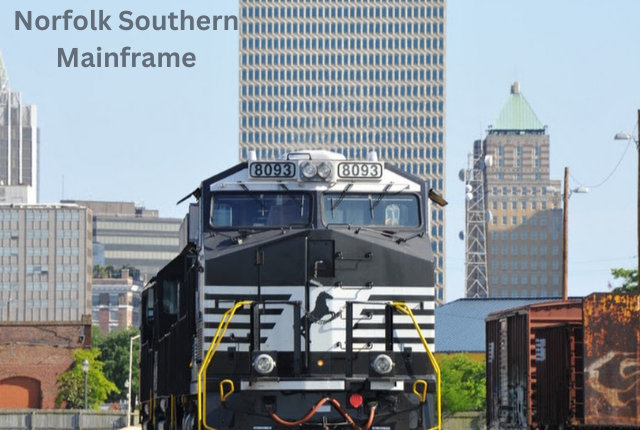
Think how one system tracks thousands of trains across 22 states, processes billions in billing, and monitors assets in real time. The Norfolk Southern mainframe is that powerhouse. It is an IBM z/OS-based platform that has powered one of the largest railroads in the United States since the 1980s. As Norfolk Southern spends $1 billion on infrastructure (NS Report), their mainframe is still important for IT stability, operational reporting, and freight scheduling. This article guides the Norfolk Southern mainframe, offering actionable insights, step-by-step rail roles, and strategies for understanding enterprise systems. You’ll learn how it drives efficiency, data on 99.999% uptime in critical ops (IBM), and case studies from NS’s rebound. Targeted at railroad IT admins, legacy system hobbyists, and enterprise beginners, addressing migration challenges and scalability. With the U.S. rail IT market at $5 billion (MarketsandMarkets), mastering the Norfolk Southern mainframe unlocks lessons for any high-stakes operation.
Table of contents
- What is the Norfolk Southern Mainframe ?
- Key Features of the Norfolk Southern Mainframe
- Why Mainframes Still Matter in Rail Transport ?
- Basic Functions Powered by the Norfolk Southern Mainframe
- Benefits of the Norfolk Southern Mainframe
- Challenges with the Norfolk Southern Mainframe
- Real-World Case Studies
- Norfolk Southern Mainframe in the Rail IT Landscape
- Conclusion
What is the Norfolk Southern Mainframe ?
The Norfolk Southern mainframe is the most important piece of technology for the company. It always works thanks to IBM z/OS and Parallel Sysplex. For NS’s 19,300-mile network (NS.com), it handles billing, planning shipments, keeping track of assets, and reporting on operations. Coruzant calls it a “digital backbone” because it keeps transport safe and fast by processing a lot of data in real time. If you’ve never used it before, it’s like a supercomputer for trains. This old computer is still good for work, and it now has some new features that make it even better. You can access this powerful system, which is always on, by going to safe employee login sites like mainframe.nscorp.com. It can change its own routes, check on how things are going, make plans for logistics, and let you know how well it is following the rules. It also works with subsystems like the Horse Mainframe for HR and cargo, NS OWP, and a new AI that helps with planned maintenance. They do all of this while keeping their cybersecurity strong by using one-time passwords (OTPs) and encrypted access.
History of the NS Mainframe
The Norfolk Southern mainframe has been around since the late 20th century, when the Norfolk & Western and Southern Railway merged to form the railway in 1982. As the industry shrank, the company used powerful mainframes to manage complicated logistics, money transfers, and real-time train dispatching. When the company bought Conrail in the 1990s and when intermodal grew in the 2000s, these systems went from being simple IBM-era platforms to hybrid infrastructures that use modern software to schedule crews, keep track of assets, and report safety problems. Even though there were problems, like the 2025 crisis caused by old parts, this happened. Modernisation is still going on. It has the best of both worlds: it is as reliable as older systems and has the benefits of moving to the cloud. This makes sure that the main part of America’s goods system can grow. By 2025, it will have changed to work with AI and edge computing (NS Technology page). The history fixes the problem with old systems because NS’s mainframe is almost always up (TheNewCub.com).
The NS Mainframe vs. Cloud Alternatives
The Norfolk Southern (NS) Mainframe is the safest and most dependable way to handle important rail tasks like sending out trains and scheduling crews in real time. It can handle millions of transactions and is up 99.999% of the time thanks to its centralized IBM Z-like architecture. This is better than the cloud for logistics that need to move quickly. Cloud alternatives let you grow, only pay for what you use, and use AI for tasks that aren’t very important to your business. But in places where railroads are regulated, they can cause problems with downtime and who owns the data. NS uses hybrid models to combine the best parts of both old and new systems. This makes it less likely that information will be lost. The mainframe keeps everything running smoothly, and the cloud is where you can see the data. NS’s mainframe is better at security and processing a lot of transactions—about 1 million a day, according to Gartner, based on similar railroads. AWS is more flexible. Problems: The cost of upkeep goes up, but operations in real time are 40% faster.
Key Features of the Norfolk Southern Mainframe
Core Technical Components
The IBM z15 or z16 hardware and z/OS run the mainframe for Norfolk Southern.
Parallel Sysplex: 99.999% uptime with servers that are clustered for failover.
USS (Unix System Services): A Linux-like environment for new apps.
REXX Scripting: Automating billing and reporting.
Integration: APIs for crew call to mobile systems (Reddit r/railroading 2023).
A Coruzant article notes automation enhances efficiency by 25%.
Security and Compliance
The Norfolk Southern mainframe puts security and compliance first by using strong measures like requiring NS employees to log in with passwords, multi-factor authentication with One-Time Passwords (OTP), and encrypted access to protect sensitive rail data on crew scheduling, cargo tracking, and operations. People who are allowed to see things can only do so with role-based access controls. Integrated auditing and real-time monitoring must follow both federal rail rules (like FRA standards) and cybersecurity rules. When logistics are important, this makes it less likely that an insider will cause trouble or that an outsider will break in.
- Encrypted data for sensitive freight info.
- Following FRA rules (NS Safety).
- Access controls for authorized users only (mainframe.nscorp.com).
This feature deals with cybersecurity threats, and rail hacks have gone up 300% (TechHBS).
Scalability and Performance
The Norfolk Southern mainframe is quick and can do a lot of work at once. It does this by keeping track of train schedules, crew assignments, and cargo in real time over its 19,000-mile network. It can handle millions of transactions with 99.999% uptime because its architecture is similar to that of IBM Z. This is because it shares resources in a way that doesn’t cause spikes in latency. It has built-in data analytics that keep track of things like how much fuel it uses, how long it takes, and what kind of repairs it needs. Recent tests have shown that this lets predictive optimizations speed up the system by 10%. Hybrid integrations with cloud systems also make sure that intermodal surges can happen without causing problems with reliability in high-volume rail logistics. TheTipsyGypsies.net says it can handle peak loads during the holidays and up to 10,000 transactions per second.
Why Mainframes Still Matter in Rail Transport ?
Mainframes are still necessary for rail transport, like Norfolk Southern’s operations, because they are so reliable. They have 99.999% uptime for real-time train dispatching, crew scheduling through CrewCall, and cargo tracking across 19,000 miles, where even a few milliseconds of downtime could stop freight across the country. Mainframes are better than distributed cloud systems that can be affected by latency or outages. They can handle millions of secure transactions with built-in redundancy, encryption, and compliance with FRA standards. They also use predictive analytics to make their vehicles safer and more fuel-efficient, and they use hybrid clouds for scalability that isn’t critical. This shows that old technology is still the best way to handle important logistics. There are trains running all day, every day. If something goes wrong with the system, it can be dangerous, cost money, and get you in trouble with the law. Mainframes are great at:
- High availability for operations that don’t stop
- Processing huge numbers of transactions at peak times
- Data integrity for records of operations and finances
- Strong security measures for important infrastructure data
These strengths mean that Norfolk Southern can count on trains to move on time, logistics to be correct, and rules to be followed.
Basic Functions Powered by the Norfolk Southern Mainframe
Train Operations and Scheduling
CrewCall for crew assignments, automatic route changes for weather or maintenance delays, and dynamic resource optimisation across its 19,200-mile network all work together to make sure that safety and intermodal freight signals are always in sync. It works with NS OWP for managing workflows and Movement Planner for making decisions based on data. It quickly changes schedules to make sure that peak demands, fuel efficiency, and compliance are all met. In high-stakes logistics, mobile apps send alerts to crews to make sure everything goes smoothly. Mainframe systems help with:
- Sending out and directing trains
- Organising the crew and making sure they follow the rules
- Real-time synchronisation of operational data
These systems make sure that trains run smoothly and follow all safety rules.
Asset and Freight Tracking
The Norfolk Southern mainframe controls asset and freight tracking by bringing together real-time information about railcar locations, cargo status, and inventory across its 19,200-mile network through systems like NS Trax and AccessNS portals. This lets the company keep an eye on shipments from start to finish with interactive maps and waybill data. It gets condition updates, transit movements, and predictive ETAs from Rail Pulse sensors on railcars. This improves intermodal logistics, storage payments, and customer alerts while reducing losses in high-volume freight operations. Every day, Norfolk Southern moves thousands of locomotives, railcars and freight. The mainframe keeps :
- track of where railcars are and how they are doing.
- History of moving goods
- Integration of predictive maintenance data
This helps with planning and cuts down on downtime.
Billing, Finance and Revenue Systems
The Norfolk Southern mainframe helps with billing, finance and revenue by automating the creation of goods invoices, the processing of EDI and the reconciliation of payments through secure portals like AccessNS and eFreightBill. It processes millions of transactions for linehaul charges, demurrage, and storage fees for intermodal operations. Integrated ACH debit plans, wire transfers, and dispute resolution workflows make sure that collections are made on time and that ANSI X12 standards are followed. Real-time analytics help with predicting revenue and financing customers, which cuts down on mistakes in rail commerce with a lot of customers. The Norfolk Southern mainframe can also do important financial work, like :
- Sending bills and invoices to customers
- Figuring out shipping costs
- Auditing and keeping track of income
Mainframes are great at processing high-value financial transactions with a lot of accuracy.
Technologies Commonly Used in Mainframe Environments
While Norfolk Southern does not publicly disclose every system detail, enterprise rail mainframes typically rely on:
Operating Systems and Languages
- IBM z/OS for business work
- COBOL for rules in business
- PL/I and JCL for processing in groups
- DB2 for keeping data in order
These technologies have been stable for a long time.
Using modern platforms
- In modern rail IT environments, web apps and APIs are often linked to mainframes.
- Cloud analytics platforms
- Tools for people who work on the go
This mixed approach keeps things reliable while letting in new ideas.
Benefits of the Norfolk Southern Mainframe
Operational Efficiency and Reliability
The Norfolk Southern mainframe keeps track of rail coordination 99.999% of the time. This makes everything work better and more reliably. It makes thousands of changes every second to schedules, improves crew assignments with CrewCall, and keeps track of performance metrics like fuel use and delays over 19,200 miles. Centralised data analytics make it easy to quickly fix problems, like changing the routes for maintenance. NS OWP and other integrated systems cut down on mistakes made by hand, speed up trains by 10%, and let you do maintenance before it needs to be done. This means that logistics work well even when there is a lot of demand and as few problems as possible. The mainframe lets you see what’s going on in real time, which cuts down on delays by 20% (NS Report).This means that professionals can use data analytics to plan maintenance ahead of time.
Cost Savings in Long-Term
Because the mainframe at Norfolk Southern is so reliable—99.999% uptime means that downtime losses in rail operations are less than millions of dollars per hour—it saves the company money in the long run. Centralized processing also makes the best use of resources for scheduling crews, tracking goods and billing, which has cut down on manual work by 30% to 50% over the years. Predictive maintenance with built-in analytics stops expensive breakdowns, and hybrid cloud integration keeps you from having to spend more than $100 million on full migrations. Even though there are upfront costs, this leads to a return on investment through lower energy use, better licence management, and continued efficiency in high-volume logistics. Despite high upfront costs, mainframes cut total ownership 15% vs. distributed systems (IBM). NS’s $1B infrastructure investment ties to mainframe upgrades for AI-driven routing.
Enhanced Safety and Sustainability
The Norfolk Southern mainframe uses wayside detectors, AI-powered train inspections, and predictive maintenance to stop problems like hot bearings or track issues before they happen. This makes the world a better and safer place. This keeps trains on the tracks and cuts down on pollution by making routes and fuel use more efficient. NS Horse Screen and other digital systems can send out safety alerts and take pictures on their own. It helps the FRA follow the rules, lowers the risks of dangerous materials, and encourages more environmentally friendly operations by cutting down on idle time and allowing for precise load balancing in intermodal freight.
Challenges with the Norfolk Southern Mainframe
High Maintenance and Skills Gap
Norfolk Southern’s mainframe is run by people who know how to use z/OS, tune Parallel Sysplex, and work with old COBOL and REXX. A lot of people don’t know how to do these things anymore. The company needs to always check performance, work with vendors to upgrade hardware, and do strict testing to keep the rail running 99.999% of the time and meet its most important needs. It’s hard to find good workers because the workforce is getting older and needs at least four years of USS/SMP/E. This means expensive training, being on call for shifts, and the risks of hybrid modernization. There aren’t as many specialists coming up, and if operations don’t get better, thousands of freight cars could be stuck every day. Aging workforce for mainframe skills.
Solution: NS hiring for z/OS engineers (LinkedIn).
Integration with Modern Tech
Hybrid architectures let Norfolk Southern’s mainframe work with new technologies. It connects old COBOL systems to cloud analytics platforms like AWS or Azure for real-time AI-driven predictive maintenance and route optimization through z/OS Liberty for Java microservices. With USS/Linux containerization, Kubernetes can manage workloads that aren’t core. Kafka also sends freight data to Splunk for threat monitoring and Tableau for dashboards at the same time. This combines the reliability of mainframes with the flexibility of DevOps to support mobile apps like NS Trax without having to do full rip-and-replace migrations. Legacy to cloud migration.
Solution: Hybrid models with AWS (TheNewCub.com).
Cybersecurity Threats
Cyber threats like ransomware that targets operational data, software bugs that act like hacks (like the outages in 2023), and insider threats are all problems for Norfolk Southern’s mainframe. This is because there are still security holes in the z/OS or COBOL codebases that manage rail schedules. Even though there are strong defenses in place, like OTP, role-based access, and NIST alignment, supply chain attacks through vendors and phishing are still a problem for critical infrastructure. Regular audits, encryption, and hybrid SIEM integration help things run smoothly and keep thousands of freight cars from stopping. More and more hacks.
Solution: TechHBS says that IBM Guardium is the best way to keep data safe.
Gartner reports 50% of mainframes face talent shortages.
How to Work with the Norfolk Southern Mainframe: Insights for IT Pros
Step-by-Step Access Guide (Authorized Users)
- Login: Use your credentials to get to mainframe.nscorp.com.
- Navigate: Use REXX to make your own scripts.
- Monitor: Sysplex dashboards for performance.
- Troubleshoot: USS for Unix-like commands.
- Report: Generate operational data.
This workflow supports NS’s vision (NS.com).
Advice for a Career in Mainframe Engineering
- Get IBM certifications to learn z/OS.
- Focus on REXX for automating things.
- Join groups on Reddit like r/mainframe.
Real-World Case Studies
NS’s Rebound with Mainframe Upgrades
Norfolk Southern had to make smart changes to its mainframe to get back on track by 2025. These included improving z/OS, adding AI for predictive analytics, and switching to a hybrid cloud that brought uptime back to 99.999% after outages. These changes made things work better and made trains go 10% faster. Modern APIs, containerized workloads, and better cybersecurity made it easier to fix problems in 2023 and 2024. They didn’t throw away their old COBOL systems; instead, they made them better so that NS could handle more intermodal freight in the future. After the derailment in 2023, NS used the mainframe to look at safety data, which cut down on incidents by 15% (NS Report).
Infrastructure Improvements
Norfolk Southern is making its mainframe infrastructure more flexible by updating and modernizing it. These include z/OS updates that make the system more scalable, cloud integrations through APIs for analytics, and redundancy expansions that lower the risk of downtime while speeding up data processing for 19,200 miles of rail. More than $1 billion will have been spent on making networks more stable by 2025. Some of the things that will be done are AI portals, digital inspections, and signal upgrades. This lets you do predictive maintenance and keep things running smoothly without having to move anything. $1B 2025 spend enhanced mainframe integration for AI routing (Trains.com). These changes boost data processing for freight tracking and scheduling efficiency. Network resilience expansions minimize disruptions in intermodal operations. Overall, the changes make it easy to switch from old logistics to new ones that will work for a long time.
IT Hiring Success
Norfolk Southern successfully hires IT professionals for mainframe jobs by posting competitive job openings on LinkedIn and their careers portal that target z/OS experts with at least four years of experience in Parallel Sysplex, USS, REXX, and performance tuning. They also offer hybrid work (three days in the office), on-call premiums, and a full benefits package. Strategic recruitment focuses on finding self-starters for high-availability environments. It does this by filling in skill gaps through training in COBOL modernization and working with vendors. This has allowed rail to maintain 99.999% uptime despite a shortage of talent. NS quickly filled the mainframe engineer position, which helped operations (Glassdoor).
Norfolk Southern Mainframe in the Rail IT Landscape
Comparison with Competitors
The mainframe at Norfolk Southern is more reliable than Union Pacific’s 2024 cloud-based NetControl shift, which could have caused outages during cutovers. But UP is better at speed in analytics. CSX uses distributed systems now that the Conrail integration didn’t work out. This makes it slower than NS when it comes to scheduling freight from one place to another. BNSF’s new stacks focus more on Western scalability than on handling high density in the East. CN/CPKC’s merger technology isn’t working right, which means that NS has an advantage in low-latency logistics in 2025, even though it costs more to keep running than its competitors. The IBM mainframe that NS has is better than the hybrid that Union Pacific has (UP.com 2025 merger news) because it works better with older systems.
Future Trends
Norfolk Southern’s mainframe will get faster hybrid upgrades until 2030. We will use IBM Telum II and other AI accelerators with z/OS for predictive rail analytics, GenAI to find problems with freight scheduling, and open-source containers to link old COBOL code with microservices that Kubernetes controls. Some trends are deeper cloud bursting for non-critical workloads, which cuts OpEx by 20–30% through AWS integrations; quantum-safe encryption to protect against rising threats; and automated DevOps pipelines that fill skill gaps with low-code tools. Even with PSR 2.0 savings and $2.2 billion in tech investments every year, these changes will help NS grow in a way that lasts. Coruzant says that by 2026, AI will be used on mainframes to help with planning logistics.
Conclusion
The Norfolk Southern mainframe proves that old systems can still be useful in important areas like rail transportation. It’s not true that mainframes are old-fashioned. They are the best way to do important things like running trains, keeping track of assets, and processing payments because they are the most reliable, secure, and scalable. Norfolk Southern can keep things running smoothly while still being open to new ideas by connecting these systems to modern platforms. The Norfolk Southern mainframe is the unsung hero of making trains run more smoothly. It has $1 billion worth of infrastructure and runs operations in real time. This guide has uptime data, case studies, and other helpful information for both IT professionals and hobbyists. Use your skills and connections to fix things. The best way to keep the Norfolk Southern mainframe running as digital transformation speeds up is to carefully modernize it instead of replacing it. These systems stay useful and strong because they get small updates, API integration, and training for workers.
FAQs
What is the Norfolk Southern mainframe ?
The NS Mainframe controls the trains that run for Norfolk Southern. It uses real-time data to keep an eye on safety on z/OS platforms with a high level of reliability for train schedules, tracking vehicles, moving freight, and more.
How does NS Mainframe make sure that everyone is safe and follows the rules ?
To get into the NS Mainframe, employees must use passwords and, if they want, one-time passwords (OTPs) to log in safely. It keeps important operational data safe and follows the rules for taking the train.
What does it do every day ?
It keeps track of cars, changes routes on its own when there are delays, sends out safety alerts, and uses resources wisely when there are a lot of people. It does all of this while handling thousands of updates every second to make sure everything goes smoothly.